 EN
EN

Investing in a horizontal machining center represents one of the most significant capital decisions a manufacturing operation can make. This equipment forms the backbone of precision production, handling complex multi-axis operations that define modern industrial output. Before committing substantial resources to a horizontal machining center, you must understand the technical specifications, financial implications, production capacity requirements, and long-term operational considerations that directly impact your return on investment and operational efficiency.
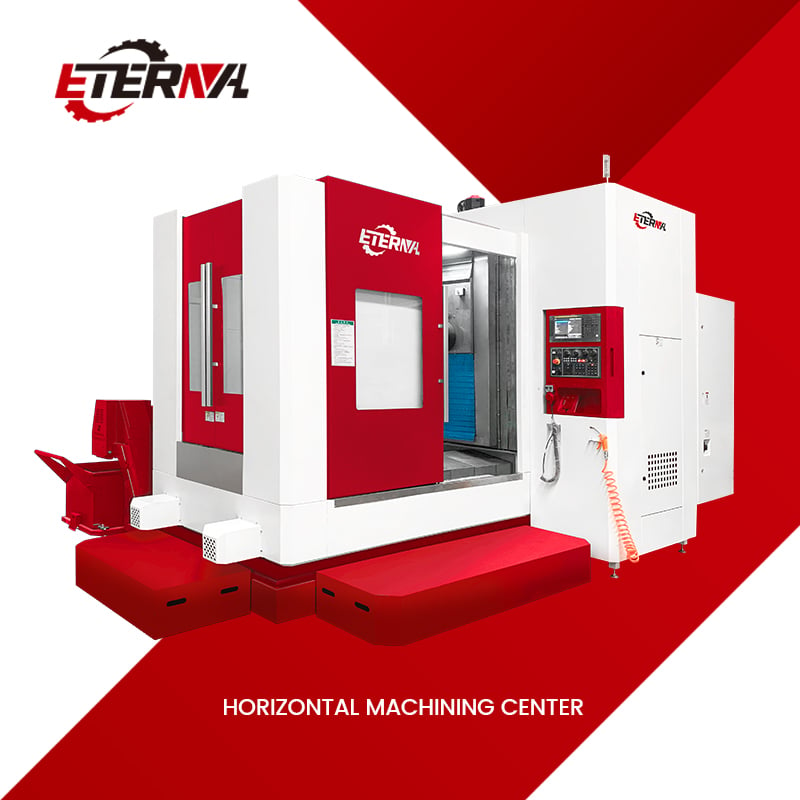
A horizontal machining center demands careful evaluation across multiple dimensions. The decision extends far beyond selecting equipment based on brand reputation or initial pricing. Strategic investment requires alignment with your production goals, workforce capabilities, facility infrastructure, maintenance planning, and market demand forecasting. Understanding these factors ensures your horizontal machining center becomes a profit-generating asset rather than a costly operational burden.
Understanding Your Production Requirements and Capacity Needs
Assessing Current and Future Workload Demands
Before selecting a horizontal machining center, quantify your actual production requirements. Analyze historical order volumes, component complexity levels, material types, and delivery timeframes. A horizontal machining center that sits idle half the time generates negative returns, while undersized equipment creates bottlenecks and missed revenue opportunities. Document the typical part dimensions, tolerances, and batch sizes your operation processes. This data becomes critical when evaluating whether a compact horizontal machining center suits your needs or whether a full-size industrial unit is necessary for long-term competitiveness.
Evaluating Component Complexity and Precision Standards
Different horizontal machining center models handle varying complexity levels and precision requirements. Some aerospace and medical applications demand tolerances measured in microns, requiring premium-grade horizontal machining center equipment with advanced spindle technology and thermal stability features. Consumer goods manufacturing may accept looser tolerances but demand faster cycle times. Carefully match the horizontal machining center specifications to your actual tolerance requirements. Over-specifying precision features you do not need increases capital costs unnecessarily, while under-specifying creates quality failures and customer dissatisfaction.
Financial Investment and Total Cost of Ownership Analysis
Calculating Initial Capital Requirements and Equipment Costs
The purchase price of a horizontal machining center represents only one component of total financial investment. Budget for installation, site preparation, electrical infrastructure upgrades, coolant systems, tool changers, chip conveyors, and safety guarding. Many facilities underestimate ancillary costs, which can reach thirty to forty percent of the base equipment price. Additionally, factor in training expenses for machine operators and programmers, software licensing fees, and initial tool inventory. A comprehensive horizontal machining center investment analysis includes all these elements to avoid mid-project budget surprises that compromise cash flow and project viability.
Understanding Long-Term Operational and Maintenance Expenses
Operating a horizontal machining center involves ongoing costs that accumulate over years of production. Coolant purchases, tool replacement, spindle maintenance, servo motor repairs, and preventive maintenance contracts constitute significant recurring expenses. Premium horizontal machining center brands often offer better parts availability and lower maintenance costs, while bargain equipment may generate excessive downtime. Calculate the total cost of ownership over five to ten years, including maintenance intervals, anticipated repairs, and potential component replacements. This analysis often reveals that investing in higher-quality horizontal machining center equipment produces superior financial returns despite higher initial purchase prices.
Facility Infrastructure, Space, and Integration Considerations
Assessing Physical Space and Installation Requirements
A horizontal machining center demands proper facility planning beyond simple floor space allocation. These machines require stable, level foundations with minimal vibration transmission. Existing concrete floors may need reinforcement or complete replacement to support the horizontal machining center load and ensure precision accuracy. Evaluate ceiling height for tool changers and overhead crane access. Plan utility routing for three-phase electrical power, compressed air, coolant delivery, and chip removal systems. Many manufacturing facilities discover too late that their buildings cannot accommodate a larger horizontal machining center without expensive renovations. Professional site surveys before purchase prevent costly installation problems.
Integration with Existing Equipment and Workflow Processes
Your horizontal machining center must integrate seamlessly with existing production workflows and material handling systems. Consider how parts enter and exit the machine, how pallets move between workstations, and how your horizontal machining center coordinates with other CNC equipment. If your facility uses automated material handling, ensure the horizontal machining center interfaces with pallet changers and robot systems. Software compatibility matters significantly when connecting a new horizontal machining center to existing manufacturing execution systems and quality control software. Poor integration creates inefficiencies that negate the equipment's potential productivity advantages, making careful planning essential before investment.
Operational Expertise, Training, and Workforce Readiness
Evaluating Programmer and Operator Skill Levels
A sophisticated horizontal machining center only delivers value when skilled professionals operate and program it. Assess whether your current workforce possesses the CAM programming expertise, machine operation knowledge, and troubleshooting capabilities required. Modern horizontal machining center equipment often uses proprietary control systems and programming languages that demand specialized training. Budget for comprehensive operator certification courses, advanced programming instruction, and ongoing skill development. Some manufacturers offer training packages included with horizontal machining center purchase, while others charge separately for these services. Evaluate training quality and duration before committing to equipment from any supplier.
Planning for Maintenance Knowledge and Technical Support Access
Technical support availability significantly impacts long-term horizontal machining center reliability and uptime. Investigate whether local service centers exist near your facility or whether support requires long-distance technician travel. Understand warranty coverage details, response time guarantees, and parts availability commitments from your horizontal machining center supplier. Some manufacturers provide remote diagnostics and online support, accelerating problem resolution. Establish relationships with qualified independent service providers as backup support options. Poor technical support access can transform a horizontal machining center investment into a liability when unexpected problems arise and downtime extends without rapid solutions.
FAQ
How do I determine the correct size horizontal machining center for my production needs?
Start by analyzing your largest component dimensions, weight limits, and typical spindle loads. Calculate the spindle horsepower required for your cutting operations and material types. Evaluate your production volume—smaller horizontal machining center models suit lower volumes, while high-volume applications justify larger machines with faster spindle speeds and larger tool magazines. Talk directly with horizontal machining center manufacturers about your specific parts to ensure proper equipment sizing.
What is the typical return on investment timeline for a horizontal machining center?
ROI timelines vary significantly based on production volume, part complexity, and current manufacturing methods. Many facilities achieve payback within two to four years when the horizontal machining center reduces manual labor, eliminates secondary operations, and increases production speed. Higher production volumes and complex parts accelerate ROI achievement. Perform detailed financial modeling specific to your operation, comparing current production costs against projected expenses with the horizontal machining center to calculate realistic payback periods for your situation.
Should I purchase a new or used horizontal machining center?
Used horizontal machining center equipment offers cost savings but introduces risks around remaining component life, precision accuracy degradation, and limited manufacturer support. New horizontal machining center equipment provides warranty protection, current technology features, and reliable manufacturer support. For critical production environments, new equipment typically justifies higher investment. Consider used horizontal machining center options only when purchasing from reputable dealers who provide equipment history, documented maintenance records, and remaining warranty options that protect your investment.