 EN
EN

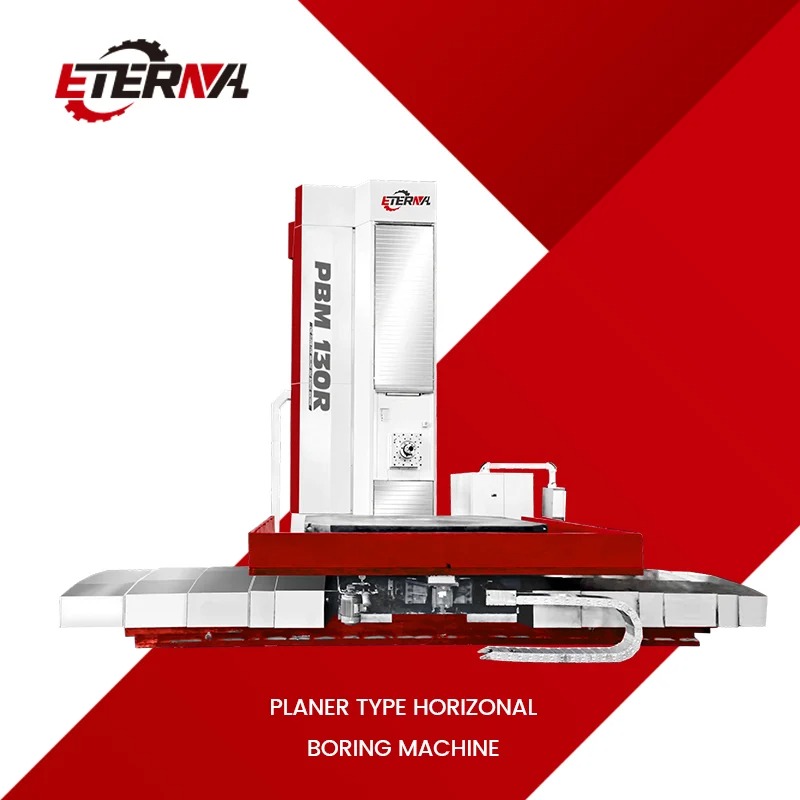
Modern manufacturing relies heavily on advanced technology to meet the demands of precision, speed, and cost-effectiveness. A CNC machine represents the cornerstone of contemporary production environments, delivering capabilities that traditional manual equipment simply cannot match. Understanding the key features of modern CNC machines is essential for manufacturers seeking to optimize their operations and maintain competitive advantage in an increasingly demanding marketplace.
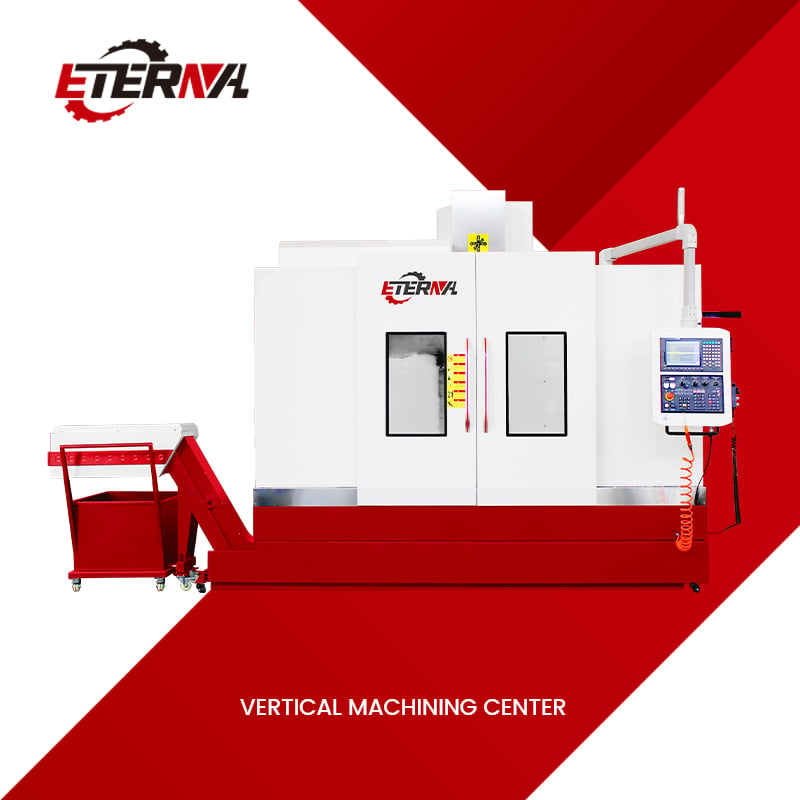
The evolution of CNC machine technology has fundamentally transformed how manufacturers approach production planning and execution. Today's CNC machines integrate sophisticated automation, intelligent control systems, and multi-axis capabilities that enable complex part geometries and high-volume output with minimal human intervention. Each CNC machine available in the market today includes a range of features specifically engineered to enhance productivity, reduce waste, and ensure consistent quality across production runs.
Advanced Control Systems and Automation in Modern CNC Machines
Precision Programming and Real-Time Monitoring
Contemporary CNC machine technology centers on sophisticated control systems that translate digital designs into physical components with exceptional accuracy. A modern CNC machine uses computer numerical control to execute complex machining sequences automatically, eliminating human error and ensuring dimensional consistency. These control systems enable operators to program intricate tool paths, feed rates, and spindle speeds with precision down to micrometers. Real-time monitoring capabilities built into every CNC machine platform allow operators to observe machine performance, detect anomalies, and adjust parameters on the fly without stopping production.
Multi-Axis Capability and Tool Automation
One defining characteristic of modern CNC machine design is multi-axis capability, allowing simultaneous movement across multiple planes. A CNC machine equipped with five or more axes can approach a workpiece from different angles in a single setup, dramatically reducing production time and improving part accuracy. Automatic tool changers integrated into advanced CNC machine systems eliminate manual tool swaps, further accelerating cycle times. Tool offset management within the CNC machine control automatically compensates for tool wear and variation, ensuring consistent dimensional performance throughout the machining operation.
Spindle Performance and Cutting Efficiency Features
High-Speed Spindle Technology
The spindle represents the heart of any CNC machine, and modern designs deliver exceptional rotational speeds and torque characteristics. High-speed spindles in contemporary CNC machine systems achieve rotations exceeding 15,000 to 20,000 RPM, enabling faster material removal and shorter cycle times. Thermal stability features in modern CNC machine spindles prevent temperature fluctuations that could compromise accuracy or tool life. Built-in spindle cooling systems maintain optimal operating temperatures even during extended production runs, a critical feature that separates high-performance CNC machine platforms from basic alternatives.
Cutting Fluid and Coolant Delivery Systems
Effective coolant delivery directly impacts tool life and surface finish quality in any machining operation. Modern CNC machine designs incorporate through-spindle coolant delivery systems that apply cutting fluid precisely at the tool-workpiece interface. Advanced CNC machine systems feature programmable coolant flow rates and spray patterns tailored to specific operations. Some CNC machine platforms now include minimum quantity lubrication (MQL) technology, reducing coolant volume while maintaining cutting performance and minimizing environmental impact.
Workholding, Precision, and Surface Finish Capabilities
Workholding Systems and Repeatability
Modern CNC machine designs integrate precision workholding systems that ensure consistent part positioning and repeatability across multiple cycles. Automatic pallet changers on advanced CNC machine platforms allow continuous production without manual intervention, as one part undergoes machining while another loads for the next cycle. Built-in probing systems on contemporary CNC machine equipment automatically detect workpiece location and compensate for part variation. This automated workpiece setup capability makes modern CNC machine operations significantly more efficient and reliable compared to manual setups.
Surface Finish and Tolerance Control
Achieving superior surface finish and holding tight tolerances defines the performance of high-quality CNC machine equipment. Modern CNC machine systems offer integrated adaptive control algorithms that adjust spindle speed and feed rates in real time to optimize surface quality. Advanced CNC machine platforms can hold tolerances consistently within plus or minus 0.005 inches or better, meeting demanding specifications across medical, aerospace, and automotive sectors. Vibration damping technology built into contemporary CNC machine structures minimizes chatter and tool deflection, directly contributing to improved part accuracy and reduced scrap rates.
Connectivity, Data Management, and Industry 4.0 Integration
Network Connectivity and Remote Monitoring
Today's CNC machine systems are no longer standalone equipment but rather integrated nodes within a broader manufacturing ecosystem. Modern CNC machine platforms feature Ethernet and wireless connectivity options that enable real-time data transmission to manufacturing execution systems (MES) and enterprise resource planning (ERP) software. Remote monitoring capabilities in contemporary CNC machine systems allow supervisors and maintenance personnel to track machine status, productivity metrics, and performance alerts from any location. This connectivity transforms a CNC machine from a traditional production tool into a data-generating asset that informs decision-making across the entire operation.
Predictive Maintenance and Downtime Reduction
Integrated diagnostics and sensor technology represent key differentiators of modern CNC machine platforms. Advanced CNC machine systems collect vibration data, temperature readings, and operational metrics that enable predictive maintenance scheduling. By analyzing this data, manufacturers can identify component wear patterns and schedule maintenance before failures occur, minimizing unexpected downtime. Modern CNC machine equipment equipped with these capabilities reduces unplanned outages and extends the operational life of critical components.
FAQ
What makes modern CNC machines superior to older machining equipment?
Modern CNC machines deliver superior accuracy, speed, repeatability, and automation compared to older equipment. Contemporary CNC machine technology integrates advanced control systems, multi-axis capability, real-time monitoring, and connectivity features that older machines lack. The precision achievable with modern CNC machines, combined with reduced cycle times and minimal human error, makes them essential for competitive manufacturing environments. Investment in modern CNC machine platforms typically generates significant returns through improved productivity and reduced waste.
How do multi-axis capabilities in a CNC machine improve production efficiency?
Multi-axis CNC machine design enables complex parts to be machined in fewer setups, reducing handling time and improving accuracy. With a CNC machine capable of five or more simultaneous axes, operators can approach workpieces from multiple angles without repositioning. This capability dramatically shortens production cycles and reduces the risk of dimensional errors that result from multiple setups. For complex geometries, a modern CNC machine with advanced multi-axis capability can achieve what would require multiple machines or extensive manual operations on older equipment.
Why is connectivity important in a modern CNC machine?
Network connectivity in a modern CNC machine enables data-driven decision-making and predictive maintenance. A CNC machine connected to manufacturing systems provides real-time visibility into production performance, enabling quick adjustments and optimization. This connectivity allows modern CNC machine platforms to support Industry 4.0 initiatives and integrate seamlessly with broader smart manufacturing strategies. Manufacturers using connected CNC machine systems gain competitive advantages through improved efficiency, reduced downtime, and better resource allocation.