 EN
EN



Proper maintenance and service of a cnc machine is critical to ensuring consistent performance, extending operational lifespan, and minimizing unexpected downtime in your manufacturing facility. A well-maintained cnc machine delivers precision, reliability, and cost efficiency over many years of operation. Without regular attention, even the most advanced cnc machine can develop problems that compromise part quality, increase scrap rates, and lead to expensive repairs. Understanding the fundamentals of cnc machine care empowers operators and maintenance teams to take proactive steps that protect their investment and maintain competitive advantage.
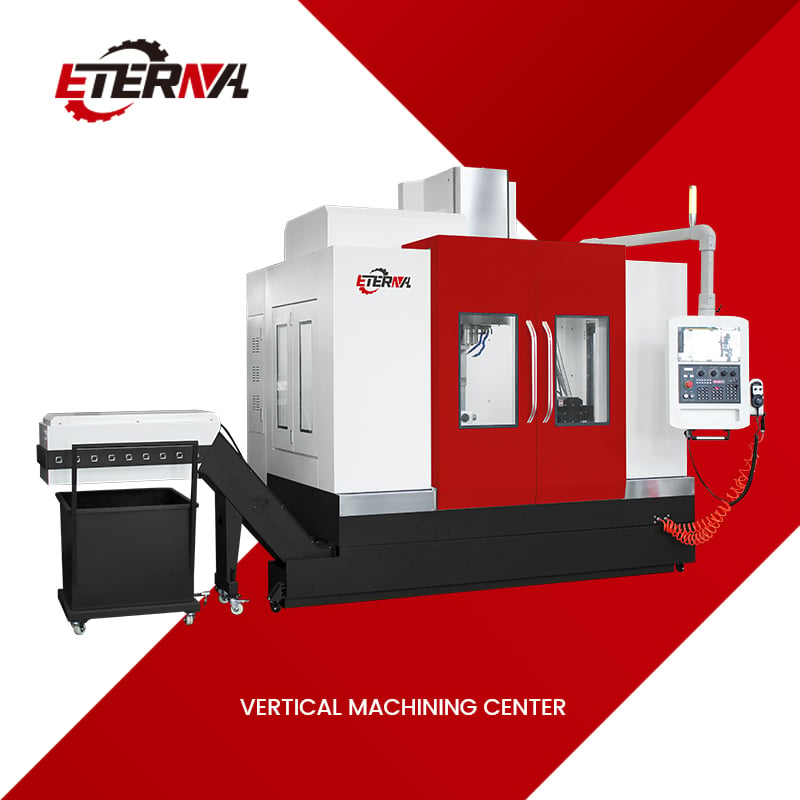
Successful cnc machine maintenance requires both daily operational discipline and scheduled preventive interventions. The goal is to identify wear patterns, address lubrication needs, verify calibration, and replace worn components before they fail catastrophically. A structured approach to cnc machine service reduces emergency repairs, improves production scheduling certainty, and protects your workforce from safety hazards. This guide covers the essential practices that keep your cnc machine running at peak efficiency.
Daily and Weekly Inspection Routines for Your CNC Machine
Visual Checks and Cleanliness Standards
Every cnc machine operator should perform basic visual inspections at the start of each shift. Check for coolant leaks around the spindle, work table, and hydraulic lines on your cnc machine. Wipe away accumulated chips, dust, and dried coolant from the machine bed, tool changer, and control panel. A clean cnc machine environment allows you to spot new problems early and prevents contamination from migrating into precision components. Clean the chip conveyor regularly so material does not back up into the cnc machine work area.
Spindle and Tool Holder Verification
Inspect the spindle runout on your cnc machine by installing a precision test indicator and rotating the spindle at low speed. Excessive runout indicates worn bearings or internal damage inside the cnc machine spindle that must be addressed promptly. Check that tool holders seat fully and lock securely in the automatic tool changer of your cnc machine. Listen for unusual grinding or clicking sounds when the cnc machine loads and unloads tools, as these signals may indicate wear in the tool changer mechanism.
Preventive Maintenance Schedules and Lubrication Protocols
Oil and Coolant Management for Peak CNC Machine Performance
Lubrication is the cornerstone of cnc machine reliability. Your cnc machine manufacturer provides a lubrication schedule specifying which components require oil, grease type, and service intervals. Follow the specified viscosity and brand recommendations for your cnc machine; using incorrect lubricant can accelerate wear and void warranties. Change spindle oil according to the schedule supplied by your cnc machine vendor, typically every 2000 to 5000 operating hours depending on usage intensity. Monitor coolant concentration and pH levels daily on your cnc machine; contaminated or oxidized coolant degrades tool life and surface finish.
Seasonal and Hour-Based Service Intervals
Establish a maintenance calendar for your cnc machine tied to machine hours rather than calendar dates alone. Every 500 hours of cnc machine operation, inspect belt tension in the cnc machine drive system and replace belts if they show cracks or glazing. Every 1000 hours, perform a detailed inspection of way covers and wipers on your cnc machine to ensure they protect linear motion components from contamination. Every 2000 hours, recalibrate your cnc machine tool length offsets and check axis accuracy using calibration standards. Comprehensive overhaul and bearing inspection on your cnc machine typically occur every 5000 to 10000 hours, depending on machine model and operational stress.
Troubleshooting Common CNC Machine Issues and Solutions
Accuracy Drift and Calibration Loss
If parts produced by your cnc machine show dimensional drift or surface finish degradation, accuracy loss is likely the cause. Many cnc machine operators first suspect tool wear, but the problem often stems from thermal growth, way wear, or calibration shift. Allow your cnc machine to reach thermal equilibrium before precision work; running your cnc machine in idle for five to ten minutes helps stabilize dimensions. Use a cnc machine with advanced thermal compensation if your facility experiences temperature fluctuations. Verify spindle runout quarterly to confirm your cnc machine spindle bearings remain within acceptable limits.
Coolant and Chip Management Problems
Coolant pooling, chip accumulation, or inadequate flow signals that your cnc machine coolant system requires attention. Clean coolant nozzles on your cnc machine and verify pump pressure matches manufacturer specifications for your cnc machine model. Replace coolant filters on schedule; a clogged filter starves the cnc machine of cooling fluid and forces the pump to work harder. Inspect the chip conveyor for blockages that restrict flow and cause chips to back up into your cnc machine cutting area, potentially damaging the spindle or work table.
FAQ
How often should I replace coolant in my CNC machine?
Coolant life depends on usage intensity and contamination levels on your cnc machine. Most facilities change cnc machine coolant every three to six months or after 1000 to 2000 operating hours. Monitor coolant concentration using a refractometer weekly; when concentration drops below acceptable range on your cnc machine, top up or perform a partial fluid exchange. A cnc machine with heavy cutting loads may require more frequent coolant changes than light-duty operations.
What are warning signs that my CNC machine needs immediate service?
Strange noises, vibration, or unexpected alarms on your cnc machine indicate wear or failure requiring immediate investigation. Loss of spindle speed control, inability to hold tolerances, or tool changer jams are serious signals that your cnc machine requires professional service before continuing production. Coolant leaks, smoke, or burnt smells near the cnc machine spindle or motor demand immediate shutdown to prevent equipment damage or workplace hazard.
Can I perform major repairs on my CNC machine myself?
Complex repairs such as spindle bearing replacement, electrical troubleshooting, or servo motor work on your cnc machine should be handled by qualified technicians or the cnc machine manufacturer's service team. Improper repair can void warranties and compromise machine safety and accuracy. Daily cleaning, lubrication, and minor adjustments fall within operator responsibility for your cnc machine, but major component replacement requires specialized training and equipment.