 EN
EN


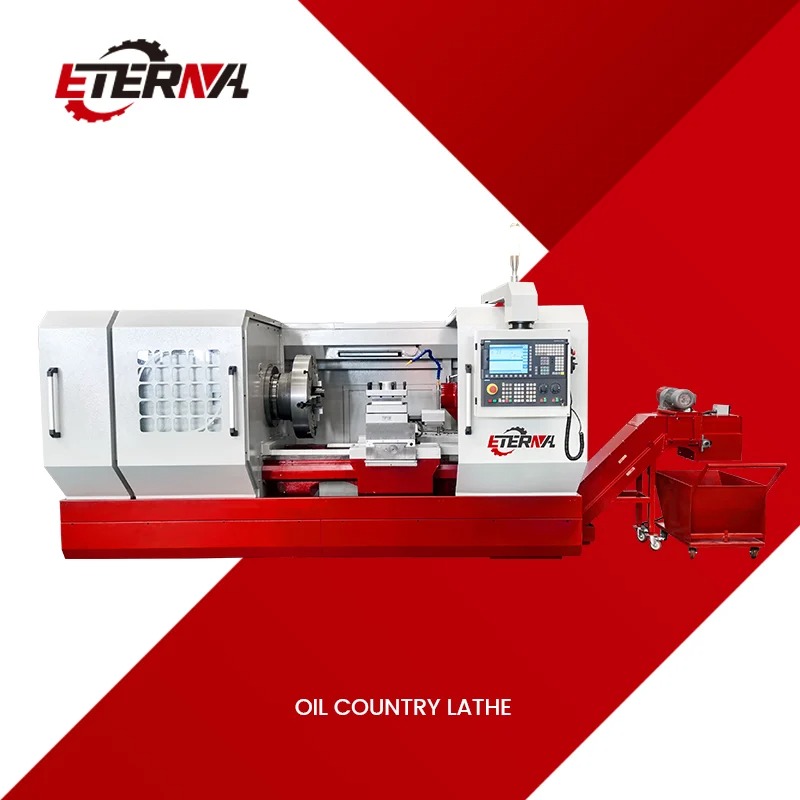
Production efficiency stands as a cornerstone of modern manufacturing success, and a cnc machine represents one of the most transformative technologies available to manufacturers today. The shift from manual machining to computer-controlled systems has fundamentally changed how factories operate, enabling businesses to produce parts faster, more consistently, and with significantly lower error rates. Understanding how a cnc machine enhances production efficiency is essential for any manufacturing operation looking to remain competitive in today's demanding market.
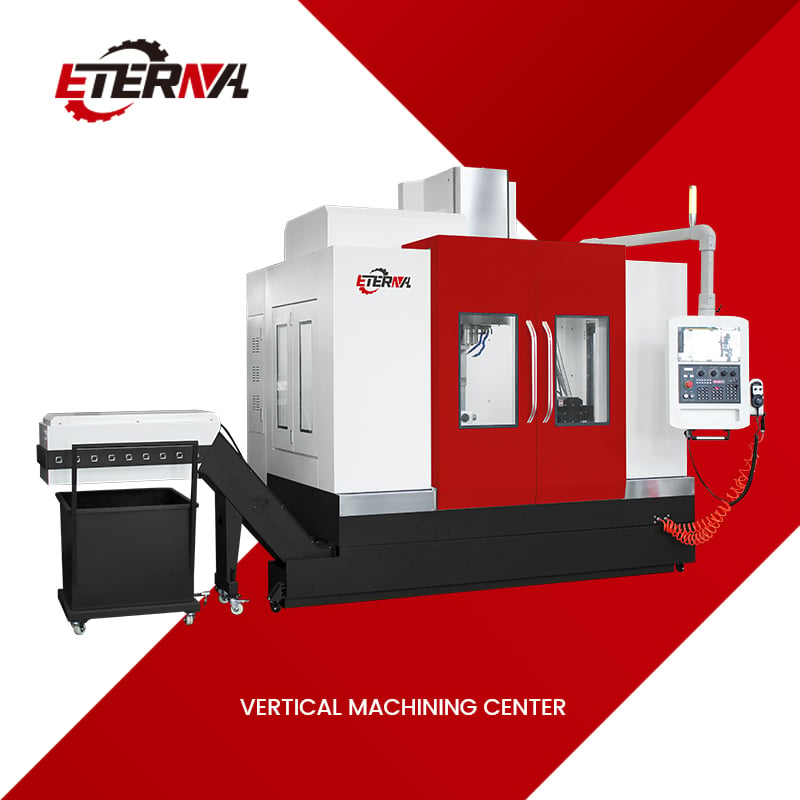
When you invest in a cnc machine for your facility, you're not simply purchasing a tool—you're implementing a comprehensive system designed to optimize every aspect of your machining operations. A cnc machine automates the cutting, shaping, and finishing processes with precision that manual operators cannot consistently achieve. This automation translates directly into measurable improvements across production timelines, material waste reduction, and workforce productivity, making a cnc machine an investment that pays dividends across your entire operation.
Precision and Consistency Benefits
Achieving Repeatable Accuracy
One of the most significant advantages of operating a cnc machine is the exceptional precision it delivers on every single part produced. A cnc machine follows programmed instructions with tolerances measured in thousandths of an inch, ensuring that the first part matches the thousandth part without deviation. This level of consistency is impossible to achieve with manual machining, where human factors and fatigue inevitably create variations. When a cnc machine runs your production cycle, you eliminate the quality inconsistencies that lead to scrap, rework, and customer returns.
The repeatability inherent in a cnc machine means your operators don't need to constantly adjust tooling or compensate for drift as they work through a production run. Each cnc machine-produced component arrives at specification, reducing the need for expensive quality inspection and sorting processes. This precision directly translates to higher first-pass yield rates, which is where significant efficiency gains materialize across your operation.
Reducing Material Waste
Material costs represent a substantial portion of manufacturing expenses, and a cnc machine dramatically reduces waste through optimized cutting paths and tool movements. A cnc machine calculates the most efficient tool trajectories, minimizing excess material removal and reducing the amount of scrap generated per part. Unlike manual operators who may over-cut for safety margins, a cnc machine operates with exact measurements, using only the material necessary to create the finished component.
When you deploy a cnc machine in your shop, you'll notice immediate improvements in material utilization rates. A cnc machine generates less swarf and scrap compared to traditional methods, directly lowering your raw material costs. Over time, the material savings alone from operating a cnc machine can justify the equipment investment, particularly for high-volume production runs where even small percentage improvements compound across thousands of parts.
Speed and Throughput Acceleration
Maximizing Production Cycles
Speed represents another transformative benefit that a cnc machine brings to your production floor. A cnc machine operates continuously without the fatigue limitations that affect human operators, executing cutting programs at optimal speeds that maximize metal removal rates. Your cnc machine doesn't need breaks, shift changes, or rest periods—it simply follows its programmed instructions with unwavering consistency. This continuous operation extends your productive machine time, allowing a single cnc machine to output far more parts than a manual machine during the same calendar period.
The acceleration capability of a cnc machine extends beyond raw cutting speed. A cnc machine automatically handles tool changes, positioning adjustments, and between-operation movements with precision that eliminates wasted time. What would require multiple manual operations and setup adjustments on a conventional machine happens automatically when you use a cnc machine, compressing your production cycle time dramatically. Many manufacturers report that a cnc machine reduces per-part machining time by 40 to 60 percent compared to manual methods.
Reducing Setup and Changeover Time
Setup time represents a significant hidden cost in manual machining operations, but a cnc machine virtually eliminates this inefficiency. Once your cnc machine is programmed with a specific job's requirements, switching from one part to another involves simply loading a different program and securing the workpiece. A cnc machine handles all the complexity of tool positioning, speed adjustment, and feed rate calibration automatically. This dramatically reduces the downtime between production runs that traditional machines require.
Your cnc machine's quick-change capability becomes especially valuable when your operation handles multiple part designs or customer orders. Rather than spending hours recalibrating tools and fixtures, operators load the appropriate program and start production almost immediately. This reduced changeover time means a cnc machine spends more of its available hours actually cutting metal rather than sitting idle during setup, maximizing your return on equipment investment.
Workforce Productivity and Skill Development
Optimizing Operator Workload
Contrary to concerns that a cnc machine eliminates job opportunities, properly implemented cnc technology actually enhances workforce productivity and job satisfaction. When a cnc machine handles the repetitive, physically demanding cutting work, your operators focus on higher-value activities like quality verification, tool monitoring, and program optimization. A cnc machine frees operators from the intense concentration required for manual machining, allowing them to manage multiple machines simultaneously and contribute strategically to production planning.
The role transformation enabled by a cnc machine creates more engaging work for your team. Instead of standing at a machine for eight hours performing identical motions, operators using a cnc machine develop broader technical skills and understand the complete production workflow. A cnc machine operator gains exposure to programming logic, quality control procedures, and equipment maintenance, creating a more skilled, adaptable workforce. This evolution improves both retention and morale while increasing operational flexibility across your shop.
Enabling Scalable Production
When demand increases, a cnc machine allows you to scale production without proportionally increasing your labor force. Traditional machining requires adding skilled operators for each additional machine, but a cnc machine lets single operators supervise multiple units simultaneously. This scalability means your cnc machine investment becomes more valuable as your business grows, since you don't face the labor constraints that would limit expansion with manual equipment.
A cnc machine also enables production during periods when skilled machinists are unavailable. Your newer team members can successfully run cnc programs after relatively brief training, whereas traditional machine operation requires years of experience to develop proficiency. This accessibility makes a cnc machine particularly valuable in competitive labor markets where experienced machinists are scarce, allowing you to maintain production continuity regardless of staffing challenges.
FAQ
What specific productivity gains can I expect from implementing a cnc machine?
Productivity improvements from a cnc machine typically range from 30 to 60 percent, depending on your previous production methods and part complexity. Most facilities report 40 to 50 percent cycle time reductions, 70 to 80 percent scrap reduction, and the ability to run multiple machines with single operators. These gains accumulate quickly, making a cnc machine investment recoup itself within 12 to 36 months for most operations running moderate to high production volumes.
How does a cnc machine handle complex part geometries better than manual machines?
A cnc machine excels with complex parts because its programming capability allows simultaneous multi-axis movements that manual machines cannot replicate. When facing intricate contours or tight tolerances, a cnc machine adjusts cutting paths in real time based on programmed logic, maintaining perfect accuracy throughout the operation. Manual machines require constant operator adjustment and compensation, introducing human error. For intricate aerospace components, medical devices, or precision mechanical parts, a cnc machine delivers consistency that manual methods simply cannot match.
What training investment is required for operators to run a cnc machine effectively?
Most operators can learn to safely operate and monitor a cnc machine within two to four weeks of structured training, compared to years for traditional machine expertise. Basic cnc machine operation involves workpiece setup, tool loading, program verification, and quality checking—skills that newer team members can master relatively quickly. Advanced programming and optimization require additional training, but day-to-day cnc machine operation is far more accessible than traditional machining, making workforce development more achievable for manufacturers struggling with labor shortages.