 EN
EN


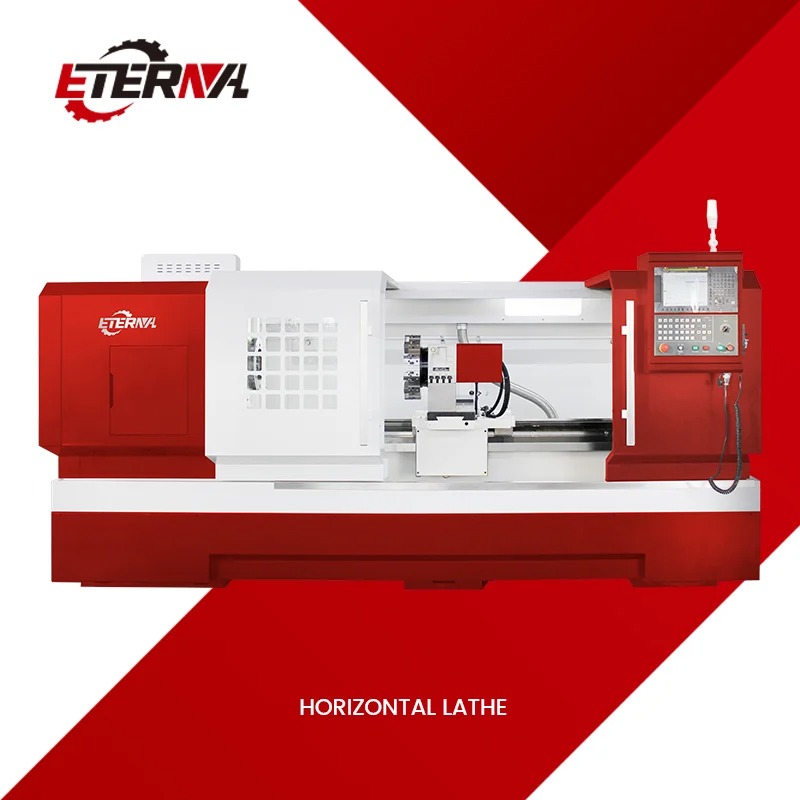
A CNC machine represents one of the most transformative technologies in modern manufacturing. Whether you work in aerospace, automotive, medical device production, or general fabrication, understanding what a CNC machine is and how it operates is essential to recognizing its value in your operation. CNC machines have revolutionized the way components are produced, enabling manufacturers to achieve precision, consistency, and speed that would be impossible through manual machining methods. This guide explains the fundamentals of CNC machine technology, its core operating principles, and why it has become indispensable across industrial sectors worldwide.
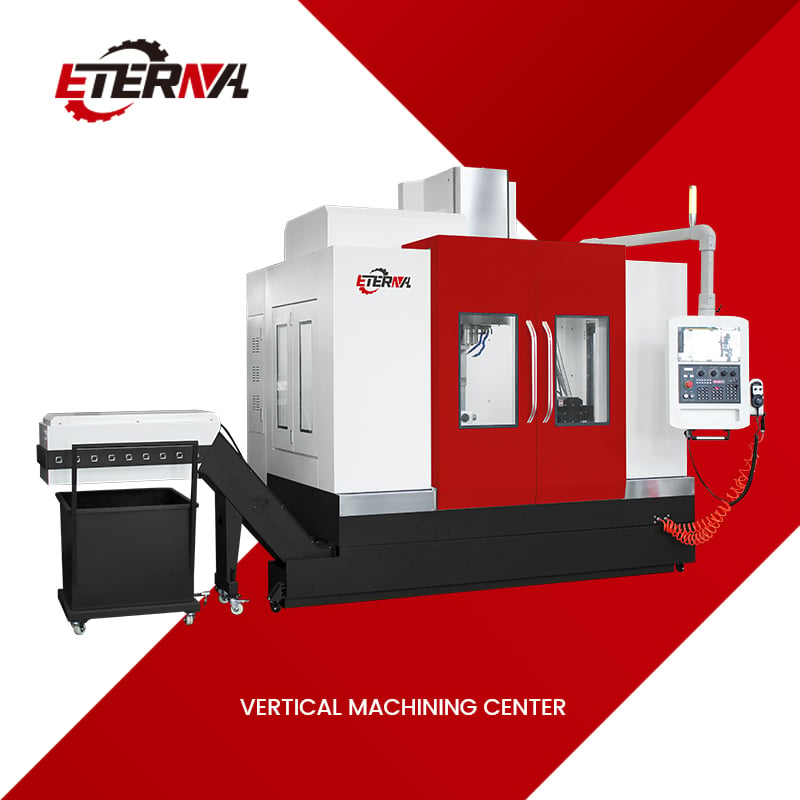
At its core, a CNC machine is a computer-controlled cutting tool that removes material from a workpiece to create finished parts with exact dimensions. The acronym CNC stands for Computer Numerical Control, which describes the automated guidance system that directs the tool movement. Unlike conventional manual machines that rely on operator skill and hand-wheel adjustments, a CNC machine follows programmed instructions stored as digital code to perform repetitive operations with remarkable accuracy. This automation eliminates human error, reduces production time, and enables manufacturers to produce complex geometries that would be extraordinarily difficult or impossible to achieve manually.
Understanding CNC Machine Fundamentals
What Defines a CNC Machine
A CNC machine is fundamentally a machine tool that interprets computer-generated instructions to control cutting tools, spindles, and workpiece positioning. The core distinction between a CNC machine and conventional equipment lies in automation and precision control. When you operate a CNC machine, you input a program written in a language called G-code, which contains coordinates, feed rates, spindle speeds, and tool change sequences. The machine reads this code line by line and executes each command with mechanical precision. This means a CNC machine can repeat identical operations thousands of times without variation, producing parts that maintain tolerances measured in thousandths of an inch or even micrometers.
Key Components of a CNC Machine
Every CNC machine shares essential components that work together to achieve automated precision. The spindle is the rotating component that holds and spins the cutting tool at controlled speeds. The CNC machine bed or table holds the workpiece securely during machining and moves along multiple axes to position the material relative to the tool. The control system, which is the electronic brain of a CNC machine, reads program instructions and sends electrical signals to motors that move each axis. These motors drive the CNC machine mechanisms through lead screws, ball screws, or linear guides. The cutting tools themselves may include end mills, drills, taps, or specialized geometries depending on the machining operation. Finally, the coolant system keeps both the CNC machine components and the cutting zone lubricated and cool, extending tool life and improving surface finish on finished parts.
How a CNC Machine Operates
The CNC Machine Programming Process
Operating a CNC machine begins with programming, which translates a part design into machine-readable instructions. When you create a CNC machine program, you start with a CAD (Computer-Aided Design) drawing of the desired component. This design is then converted into CAM (Computer-Aided Manufacturing) code, which generates the G-code that the CNC machine understands. The programmer specifies tool paths, cutting speeds, feed rates, and the sequence of operations. During this phase, the CNC machine operator must consider material properties, tool geometry, and machine capabilities to ensure the program produces quality parts efficiently. Modern CNC machine software allows programmers to simulate the entire machining process before running it on actual material, reducing waste and preventing collisions.
Axis Movement and Precision Control
The physical capability of a CNC machine to achieve precision depends on its axis configuration and motion control system. A CNC machine typically operates on three primary axes: X, Y, and Z, which correspond to horizontal, lateral, and vertical movement respectively. More advanced CNC machine models include additional rotational axes like A, B, and C, enabling five-axis or multi-axis machining. Each axis on a CNC machine moves independently under servo motor control, allowing simultaneous multi-directional tool movement to create complex contours. The CNC machine control system uses feedback from position sensors to ensure actual movement matches programmed coordinates. This closed-loop control allows a CNC machine to maintain tolerances and correct minor positioning errors in real time, delivering results that exceed what manual machining can achieve.
Industrial Applications and Practical Benefits
Manufacturing Industries That Rely on CNC Machines
A CNC machine has become essential across numerous industrial sectors due to its versatility and reliability. In aerospace manufacturing, a CNC machine produces intricate components with tight tolerances required for flight safety. Automotive manufacturers use CNC machine operations for engine blocks, transmission housings, and suspension components produced in volumes ranging from thousands to millions. Medical device manufacturers rely on CNC machine precision for implants, surgical instruments, and diagnostic equipment where dimensional accuracy directly impacts patient safety. Tool and die shops use CNC machine technology to produce molds, dies, and custom components. Even small job shops find that a CNC machine increases their competitive capability by enabling rapid prototyping and small-batch production of complex parts that would be economically unfeasible with manual machining.
Efficiency and Quality Advantages
The operational advantages of a CNC machine make it an investment that typically pays for itself through improved productivity and quality. With a CNC machine, production time is highly predictable because each part follows the same programmed sequence, eliminating the variability inherent in manual operations. A CNC machine dramatically reduces scrap rates because dimensional consistency means parts meet specification requirements on the first run. Because a CNC machine operates continuously without operator fatigue, manufacturers can schedule unattended machining during nights or weekends. The repeatability of a CNC machine means setup costs decrease when producing additional parts, making small batch runs and mid-volume production economically viable. Additionally, because a CNC machine reduces the skill level required for operation once programming is complete, manufacturers have more flexibility in workforce deployment and can focus experienced machinists on complex programming tasks rather than routine machine operation.
FAQ
What is the difference between a CNC machine and a manual machine?
A CNC machine operates under computer control following programmed instructions, while a manual machine relies on operator input through hand wheels and levers. A CNC machine can repeat operations identically thousands of times, whereas manual machines depend on operator skill and consistency. A CNC machine can work unattended, produce complex geometries, and maintain tolerances that are difficult to achieve manually. Manual machines require continuous operator attention but offer flexibility for custom one-off work where programming time might not justify the effort on a CNC machine.
What types of materials can a CNC machine process?
A CNC machine can process virtually any material that can be cut, including aluminum, steel, titanium, brass, plastics, composites, and wood. The specific capabilities depend on the CNC machine type and cutting tools available. A CNC machine adapted for steel requires different speeds and feeds than one optimized for aluminum or plastic. Modern CNC machine systems can accommodate material variations through programmable spindle speeds and feed rates, making a CNC machine adaptable to diverse production requirements across different materials.
How long does it take to program a CNC machine?
Programming time for a CNC machine varies dramatically based on part complexity, quantity required, and programmer experience. A simple rectangular part might take 30 minutes to program a CNC machine, while a complex multi-axis component might require several hours. For high-volume production, the CNC machine programming effort is amortized across thousands of parts, reducing per-unit cost. CAM software significantly accelerates CNC machine programming by automatically generating tool paths, so a CNC machine program that would have taken days to hand-code in G-code can now be generated in hours.