 EN
EN


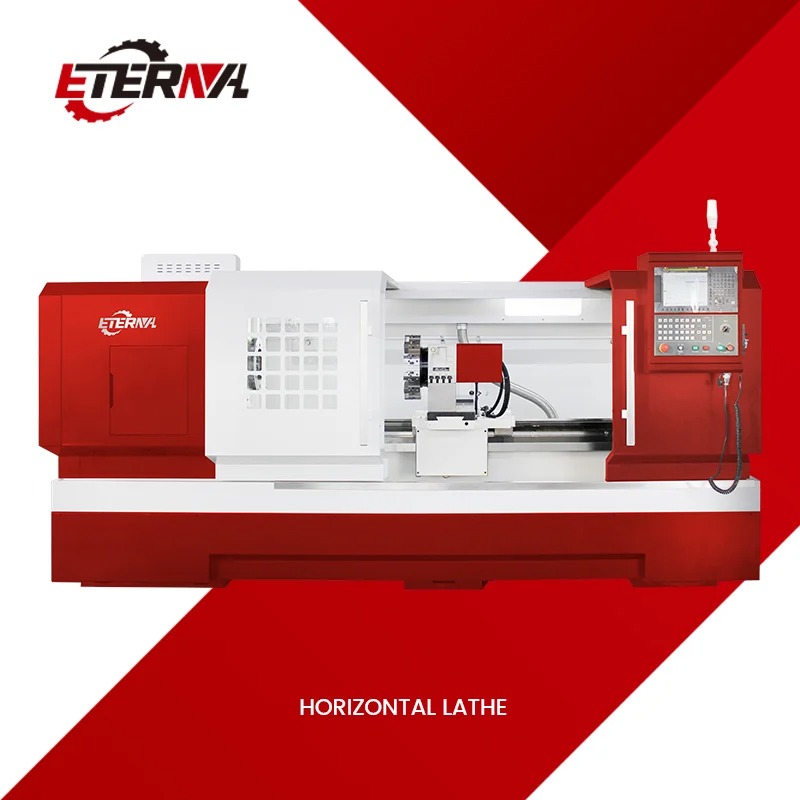
The CNC machine has become an indispensable tool across multiple industrial sectors, revolutionizing how manufacturers produce precision components with unmatched accuracy and consistency. From aerospace to automotive, medical to energy production, the CNC machine continues to drive innovation and efficiency in production environments worldwide. Understanding which industries depend most heavily on CNC machine technology provides valuable insight into manufacturing trends, technological adoption, and operational best practices across different market segments.
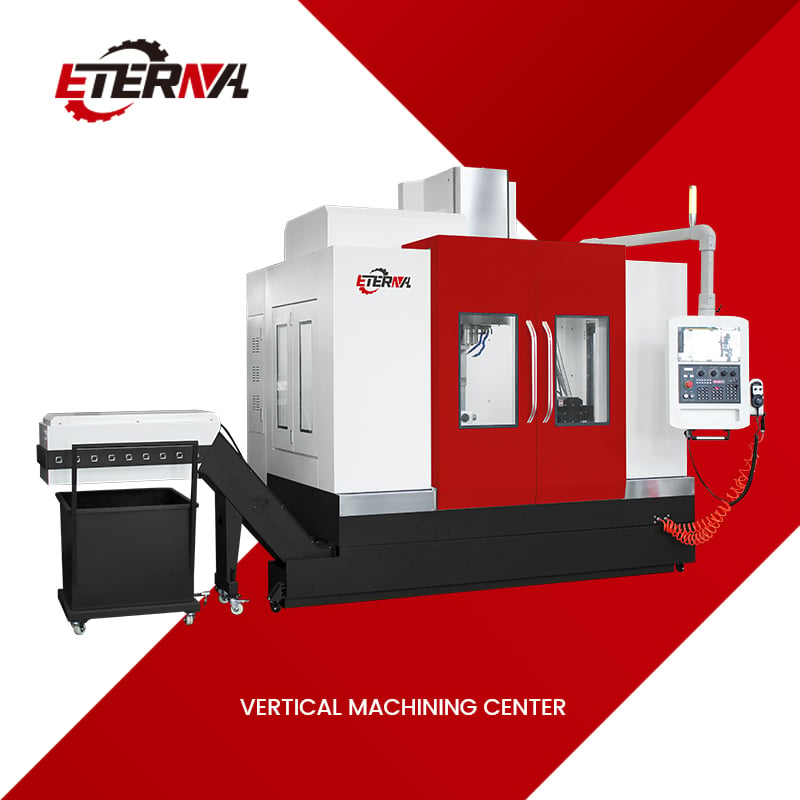
Today's manufacturing landscape demonstrates that CNC machine adoption reflects both production complexity and precision requirements. Industries investing heavily in CNC machine infrastructure do so because traditional machining methods cannot meet modern quality standards, production speeds, or cost efficiency targets. This article explores the leading industrial sectors that depend on CNC machine technology and explains why each industry finds the CNC machine essential to competitive success.
Aerospace and Defense Manufacturing
Critical Precision Requirements in Aerospace
The aerospace industry represents one of the largest consumers of CNC machine services globally, with manufacturers relying on CNC machine capabilities to produce components meeting stringent safety and performance specifications. Aircraft engine parts, fuselage sections, landing gear assemblies, and hydraulic system components all demand the exacting tolerances that only a CNC machine can reliably deliver. Every component produced on a CNC machine in aerospace manufacturing must withstand extreme temperature variations, high-stress conditions, and rigorous inspection protocols that would be impossible to achieve through manual machining methods.
Defense contractors similarly depend on CNC machine technology for producing missile components, radar systems, weapons platforms, and structural assemblies. The CNC machine enables manufacturers to produce identical components batch after batch, ensuring that military equipment meets performance specifications and maintains supply chain consistency. Complex geometries in defense applications often require multi-axis CNC machine systems capable of simultaneous cutting operations that would be practically impossible with conventional equipment.
Production Volume and Repeatability
Aerospace manufacturers benefit from CNC machine automation because production schedules demand consistent output without quality variation. A single CNC machine operator can oversee multiple machines, dramatically improving labor productivity compared to manual machining. The CNC machine's ability to repeat identical cuts thousands of times ensures that aerospace suppliers can fulfill large contracts while maintaining the zero-defect quality culture that aviation safety demands.
Automotive and Heavy Equipment Manufacturing
Engine and Transmission Component Production
Automotive manufacturers operate some of the world's largest CNC machine networks, with engine blocks, cylinder heads, transmission cases, and bearing bores requiring the precision that only a CNC machine provides. Modern automotive engines depend on CNC machine tolerance capabilities measured in micrometers, where manual machining would introduce unacceptable variation. Every passenger vehicle produced today contains dozens of components shaped by CNC machine technology, making the CNC machine fundamental to automotive manufacturing economics.
Heavy equipment manufacturers producing bulldozers, excavators, loaders, and industrial tractors similarly rely on CNC machine systems to produce hydraulic cylinders, gear housings, and structural frames. The CNC machine enables automotive suppliers to maintain competitive pricing while delivering the quality consistency that original equipment manufacturers demand. Vehicle electrification has accelerated CNC machine adoption, as electric motor production requires precise component tolerances and new machining strategies that CNC machine systems handle efficiently.
Supply Chain Economics
The automotive supply chain's just-in-time inventory systems depend entirely on CNC machine reliability and consistency. Suppliers who cannot meet delivery schedules or quality standards lose contracts, making CNC machine investment essential for competitive participation. A modern automotive facility without adequate CNC machine capacity cannot compete, as production demands and quality requirements continue rising across the industry.
Medical Device and Precision Instrument Manufacturing
Biomedical Component Precision
Medical device manufacturers rely on CNC machine technology to produce surgical instruments, orthopedic implants, diagnostic equipment components, and dental devices meeting FDA and international regulatory standards. The CNC machine enables manufacturers to achieve the micro-level precision that medical applications demand, where tolerances measured in hundredths of millimeters directly impact patient safety and device functionality. Hip replacements, knee prosthetics, and spinal implants all depend on CNC machine precision to ensure correct fit, biocompatibility, and long-term patient outcomes.
Surgical instrument manufacturing represents another critical CNC machine application, as scalpels, forceps, retractors, and specialized surgical tools require sharp edges and precise dimensions that CNC machine systems reliably produce. The medical device industry's regulatory environment demands complete traceability and documentation of manufacturing parameters, making the CNC machine's digital control and data logging capabilities essential. Every surgical instrument produced on a CNC machine carries a record of its production parameters, supporting quality assurance and regulatory compliance requirements.
Regulatory Compliance and Documentation
Medical device manufacturers invest in CNC machine systems partly because regulatory agencies require documented evidence that manufacturing processes meet established specifications consistently. The CNC machine generates electronic records showing cutting speeds, feed rates, tool paths, and dimensional results for every component produced. This documentation capability distinguishes the CNC machine from manual machining approaches and makes the CNC machine the standard manufacturing method across the medical device industry.
FAQ
Which industry uses the most CNC machines globally?
The automotive industry operates the largest number of CNC machine systems worldwide, with thousands of facilities across multiple continents dedicated to producing engine components, transmissions, and structural parts. Automotive supply chains demand constant CNC machine capacity to meet production schedules, making the industry the single largest consumer of CNC machine technology by volume.
Can small manufacturing businesses benefit from CNC machine investment?
Yes, small manufacturers can significantly benefit from CNC machine ownership or access through job shops and contract manufacturers. A CNC machine enables small businesses to compete on precision, consistency, and production speed against larger competitors. Many successful contract manufacturers built their businesses on CNC machine capabilities, proving that the technology creates competitive advantages regardless of company size.
What factors determine whether an industry adopts CNC machine technology?
Industries adopt CNC machine technology based on tolerance requirements, production volume demands, labor costs, competitive pressures, and regulatory standards. Industries facing tight tolerances, large production quantities, or strict quality documentation requirements find CNC machine investment most justified. As labor costs increase and competition intensifies, even traditionally manual industries increasingly shift toward CNC machine production methods.