 EN
EN


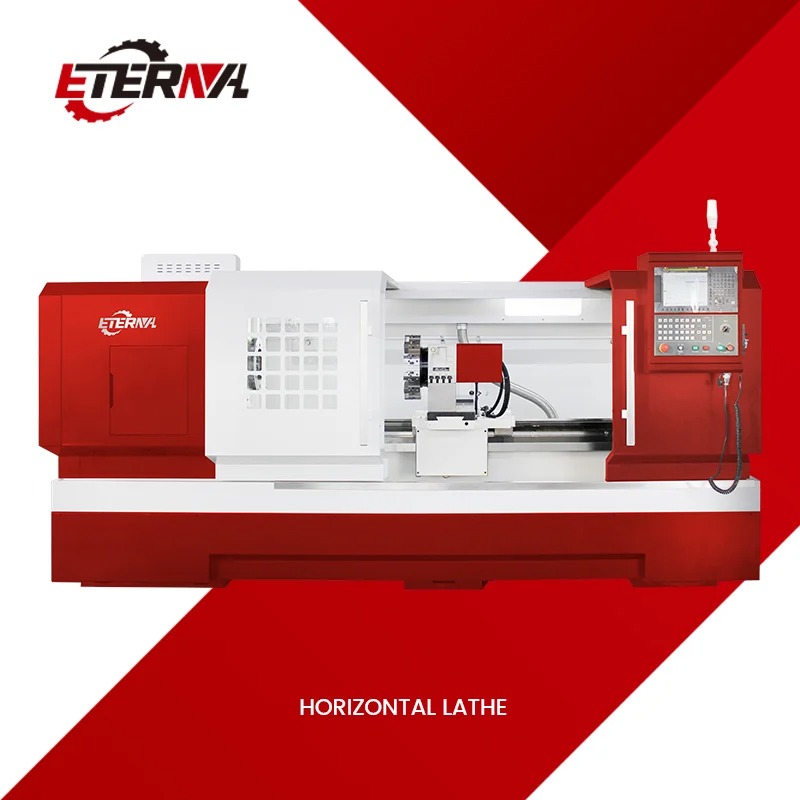
Investing in a CNC machine represents a significant capital commitment that can transform your manufacturing operations, but the decision requires careful evaluation of multiple factors. Whether you operate a small job shop or manage a large-scale production facility, selecting the right CNC machine involves understanding your specific production requirements, financial constraints, physical workspace, and long-term operational goals. Many manufacturers rush into purchasing decisions without thoroughly analyzing whether a CNC machine aligns with their current workflow, staffing capabilities, and revenue projections. This article explores the essential considerations that will help you make an informed CNC machine buying decision and maximize your return on investment.
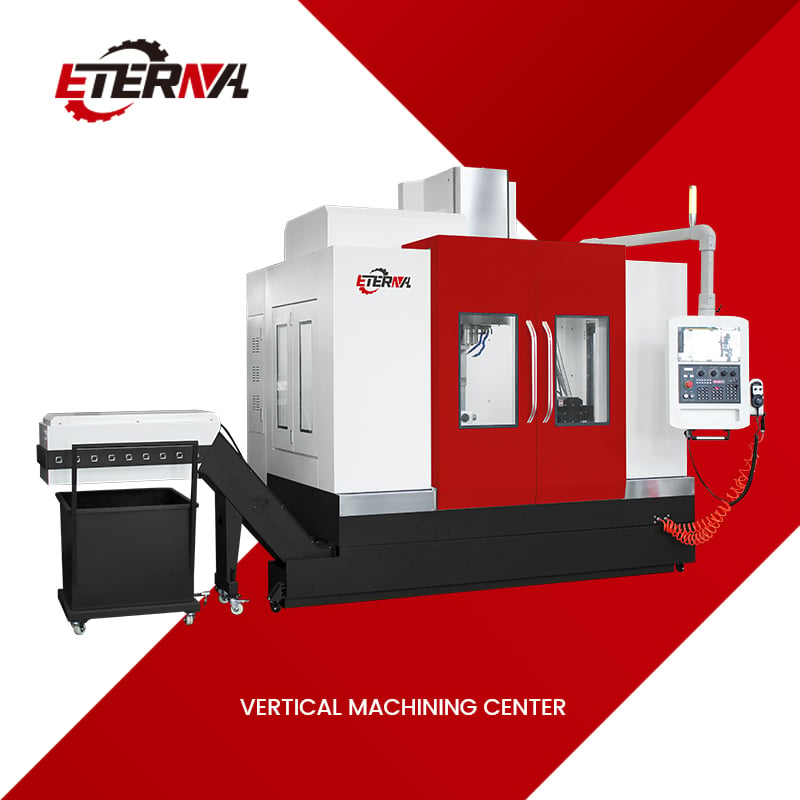
Before committing financial resources to a CNC machine purchase, you must conduct a thorough assessment of your operational landscape. The right CNC machine can dramatically increase productivity, reduce labor costs, and improve product consistency, but only when it matches your specific manufacturing needs and capabilities. This guide walks you through critical evaluation criteria, helping you identify whether a CNC machine investment makes business sense for your organization and which features matter most for your particular applications.
Production Volume and Capacity Requirements
Analyzing Your Current and Projected Workload
Your production volume directly determines whether a CNC machine investment will generate positive returns. Evaluate both your current order volume and realistic projections for the next three to five years. A CNC machine that runs at low capacity utilization will struggle to justify its high acquisition cost, while undersizing a CNC machine can leave customer orders unfulfilled. Calculate the hours per week your production equipment currently runs and estimate how many additional hours a new CNC machine could contribute to revenue generation.
Throughput Speed and Part Complexity
Different applications demand different CNC machine specifications. A CNC machine designed for rapid prototyping faces different demands than one built for high-volume production of identical parts. Consider whether you need a CNC machine optimized for speed, precision, or flexibility across multiple part geometries. Advanced CNC machine models offer faster spindle speeds and automatic tool changers that reduce idle time, but these features increase purchase price. Assess which throughput metrics matter most for your production environment before selecting your CNC machine model.
Budget, Financing, and Total Cost of Ownership
Purchase Price and Hidden Equipment Costs
The advertised price of a CNC machine rarely reflects the true investment required. Beyond the base CNC machine cost, factor in installation, electrical work, foundation preparation, and tooling packages. Many buyers underestimate the expense of integrating a CNC machine into existing workflows or upgrading facility infrastructure to support it. Auxiliary equipment like chip conveyors, coolant systems, and safety enclosures add substantially to the total CNC machine investment. Request itemized quotes that break down all associated costs before making a purchasing commitment.
Operational and Maintenance Expenses
Operating a CNC machine involves recurring costs that significantly impact profitability. Electric consumption, hydraulic fluid, cutting tools, and replacement parts constitute ongoing CNC machine expenses that accumulate over time. Preventive maintenance schedules and technician labor for a CNC machine require budget allocation and planning. Request service contracts and parts pricing from the CNC machine manufacturer to forecast long-term operational costs. Compare the cost per part produced across different CNC machine models to understand which offers the most economical operation for your specific applications.
Technical Specifications and Production Capability Matching
Precision Requirements and Dimensional Tolerances
Different industries and applications demand varying precision levels from a CNC machine. Aerospace components require higher accuracy than general industrial brackets, and your CNC machine selection must align with customer specifications and quality standards. Evaluate the repeatability, positional accuracy, and surface finish capabilities of potential CNC machine models against your most demanding parts. A CNC machine with excess precision capability becomes unnecessarily expensive, while one lacking required accuracy creates scrap and rework. Verify that the CNC machine you choose comfortably meets your tolerance requirements while remaining cost-effective.
Work Envelope and Material Compatibility
The physical dimensions and material capabilities of a CNC machine determine which parts it can produce. Review the maximum workpiece size that fits within your CNC machine's work envelope and confirm it accommodates your typical components with adequate clearance. Material selection matters equally—verify that your target CNC machine effectively handles aluminum, steel, composites, or other materials you machine regularly. Some CNC machine designs excel with certain materials while performing inadequately with others. Confirm that the CNC machine's spindle power, cutting fluid system, and chip evacuation capabilities suit your planned production mix.
Space, Infrastructure, and Operational Logistics
Physical Floor Space and Plant Integration
A CNC machine occupies floor space that affects facility layout and workflow efficiency. Measure available space and ensure adequate clearance for material handling, operator access, and maintenance tasks around your CNC machine. Consider how a new CNC machine integrates with existing production lines and whether it improves or complicates material flow. Some manufacturing environments cannot accommodate larger, more capable CNC machine models without significant facility restructuring. Evaluate whether moving or repurposing existing equipment to accommodate a CNC machine creates operational disruptions that outweigh production benefits.
Power Supply, Utilities, and Environmental Conditions
Operating a CNC machine requires reliable electrical supply, adequate cooling capacity, and stable environmental conditions. Verify that your facility's electrical infrastructure can support the power draw of your chosen CNC machine without requiring expensive upgrades. Temperature stability affects CNC machine accuracy—fluctuating workshop conditions reduce precision and increase tool wear. Confirm that your facility provides adequate humidity control, dust management, and shop floor cleanliness to protect sensitive CNC machine components. Budget for potential facility improvements before finalizing your CNC machine purchase decision.
FAQ
What is the typical payback period for a CNC machine investment?
Payback periods vary widely based on production volume, part complexity, and labor cost differences. Many manufacturers see payback within two to four years when properly utilized. A CNC machine running at high capacity with appropriate applications can achieve faster payback, while underutilized equipment extends the timeframe significantly. Calculate your specific scenario by comparing increased revenue or labor savings against total CNC machine costs including financing, installation, and training.
Should we buy new or used CNC machine equipment?
Purchasing decisions between new and used equipment depend on budget constraints and operational requirements. A CNC machine that is well-maintained can offer good value, but older models may lack advanced features, require higher maintenance, and lack manufacturer support. New equipment provides warranty protection, latest technology, and manufacturer support for training. Inspect used CNC machine equipment thoroughly and request maintenance records before purchasing to verify actual operating condition and remaining useful life.
How important is operator skill when using a CNC machine?
Operator expertise significantly impacts CNC machine productivity and product quality. Even the most capable CNC machine produces inferior results in inexperienced hands. Training costs and staffing considerations should factor into your CNC machine purchase decision. Verify that your current or available workforce can be trained to operate and maintain your selected CNC machine effectively, or budget additional resources for recruitment and training programs.